Tentative program
The full conference schedule will be announced in the coming weeks. Stay tuned for updates!
Day 1: Educational day
Immersive introduction to cutting-edge methods in brain network analysis. Through expert-led tutorials and interactive discussions, participants will gain practical insights and strengthen their foundational knowledge while exploring advanced applications. This dynamic format is designed to foster collaboration and prepare attendees for the in-depth sessions that follow.
Opening
8:00 - 8:10
We’re thrilled to have you join us for the quarter-century anniversary of the BCW. Get ready for inspiring sessions!
Welcome


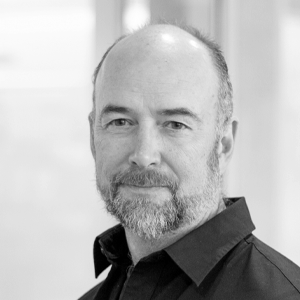
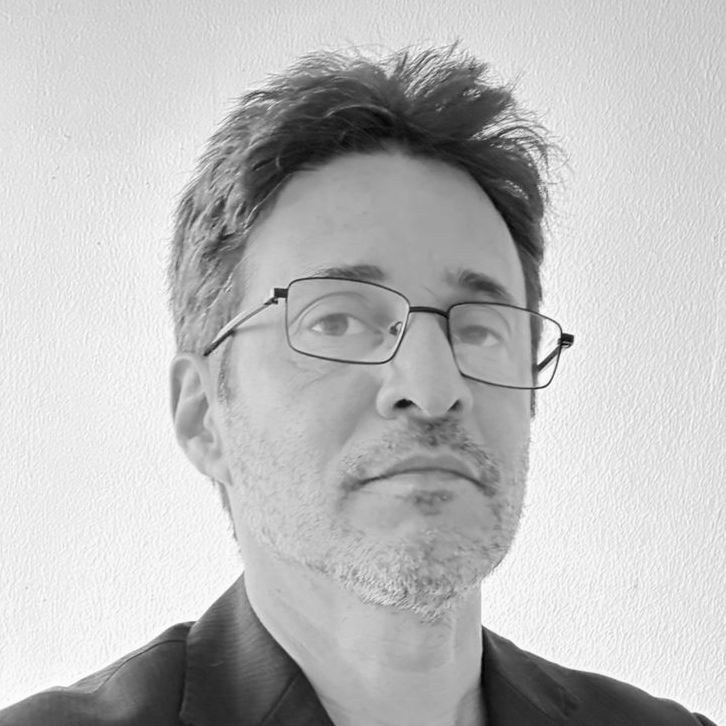
Dr. Viktor Jirsa, INS and CNRS
Dr. Pedro Valdés-Sosa, CNEURO and UESTC
Dr. Randy McIntosh, Simon Fraser University
Dr. Fabricio Pereira, UNimes and CHU-Nîmes
Chairs
8:10 - 9:10
9:10 - 10:10
10:10 - 11:10
Educational course: Causality in the Brain
Lecture: An overview of Lag-based models in Neuroimaging- challenges and applications
Pr. João Ricardo Sato, Full Professor at UFABC, Brazil (link)
Lecture: Assessing time series correlation significance
Dr. Johan Medrano, Researcher at MIT, United States (link)
Lecture: Effective Connectivity with the Alpha-Net toolbox
Dr. Ronaldo Garcia Reyes, Researcher at CNEURO, Cuba (link)
11:10 - 11:30
Coffee break: Take a (short) moment to relax and recharge during our coffee break, while enjoying a privileged view of a stunning 2,000-year-old architectural masterpiece: the Pont du Gard
11:30 - 12:30
Highlight Session - The brain signals microstates
Lecture: EEG Microstates : From Methodological Foundation to Clinical Translation
Pr. Christoph M. Michel, Full Professor at Unige and AllHere SA, Switzerland (link)
12:30 - 14:00
Lunch Time: Take this opportunity to indulge in exquisite flavors, connect with fellow participants, and let the timeless beauty of history combined with the rich gastronomy of Southern France elevate your experience.
14:00 - 15:00
Educational course: The Virtual Brain
Lecture: Synchronization and Time‑Delayed Connectivity in Large‑Scale Brain Networks
Dr. Spase Petkoski, Researcher at INS-AMU, France (link)
15:00 - 16:00
Lecture: Simulation and Inference in Large-Scale Brain Networks
Dr. Meysam Hashemi, Researcher at INS-AMU, France (link)
16:00 - 16:30
Coffee break: Take a (short) moment to relax and recharge during our coffee break, while enjoying a privileged view of a stunning 2,000-year-old architectural masterpiece: the Pont du Gard
16:30 - 17:30
Educational course: The Brain Networks
Lecture: NeuroT-Map - Mapping neurotransmitter circuit disruption in stroke
Dr. Pedro Nascimento Alves, Researcher at University of Lisbon, Portugal (link)
17:30 - 18:30
Lecture: From dynamics of Functional Connectivity to neural dynamics and back
Dr. Demain Battaglia, Researcher at Unistra, France (link)
18:30 - 19:00
My Research in 180 Seconds
MR180s offers PhD students and early-career researchers a unique opportunity to present their work to an international audience of leading scientists. Five participants will be selected to deliver three-minute presentations in the form of an e‑poster, distilling the essence of their research and fostering visibility, confidence, and scientific exchange at the highest level. Following the presentations, a 15‑minute open discussion will provide further opportunity for interaction and dialogue.
19:00
Wellcome reception
This reception celebrates the start of our meeting, bringing together researchers, ideas, and conversations in a welcoming atmosphere. We invite you to enjoy this moment of exchange and connection before the scientific programme unfolds.
Day 2: Rolf Kötter day
Day two centers on Rolf Kötter’s prestigious keynote, exploring conceptual and methodological frontiers while bridging scales in brain network science. Complemented by additional expert lectures, this program fosters dialogue and innovative approaches across multiple levels of analysis
Opening
8:30 - 8:40
Keynote Session
8:40 - 9:40
Session 1
9:40 - 10:40
10:40 - 11:00
11:00 - 12:00
12:30 - 14:00
Session 2
14:00 - 15:00
15:00 - 16:00
16:00 - 16:30
We’re thrilled to have you join us for the quarter-century anniversary of the BCW. Get ready for inspiring sessions, engaging discussions, and valuable networking opportunities.
Welcome
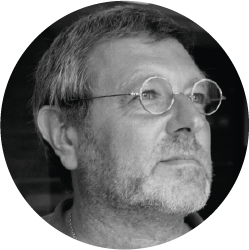
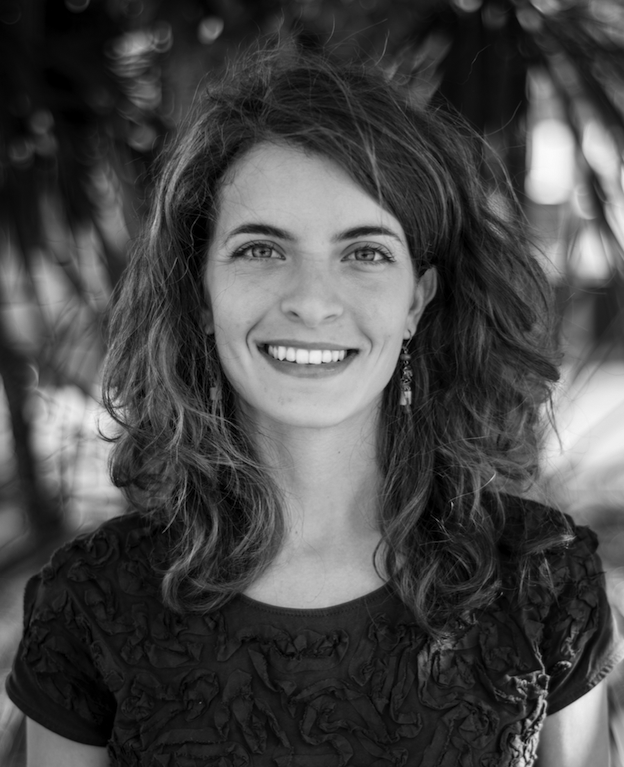
Dr. Viktor Jirsa INS and CNRS
Dr. Pedro Valdés-Sosa CNEURO and UESTC
Dr. Randy McIntosh Simon Fraser University
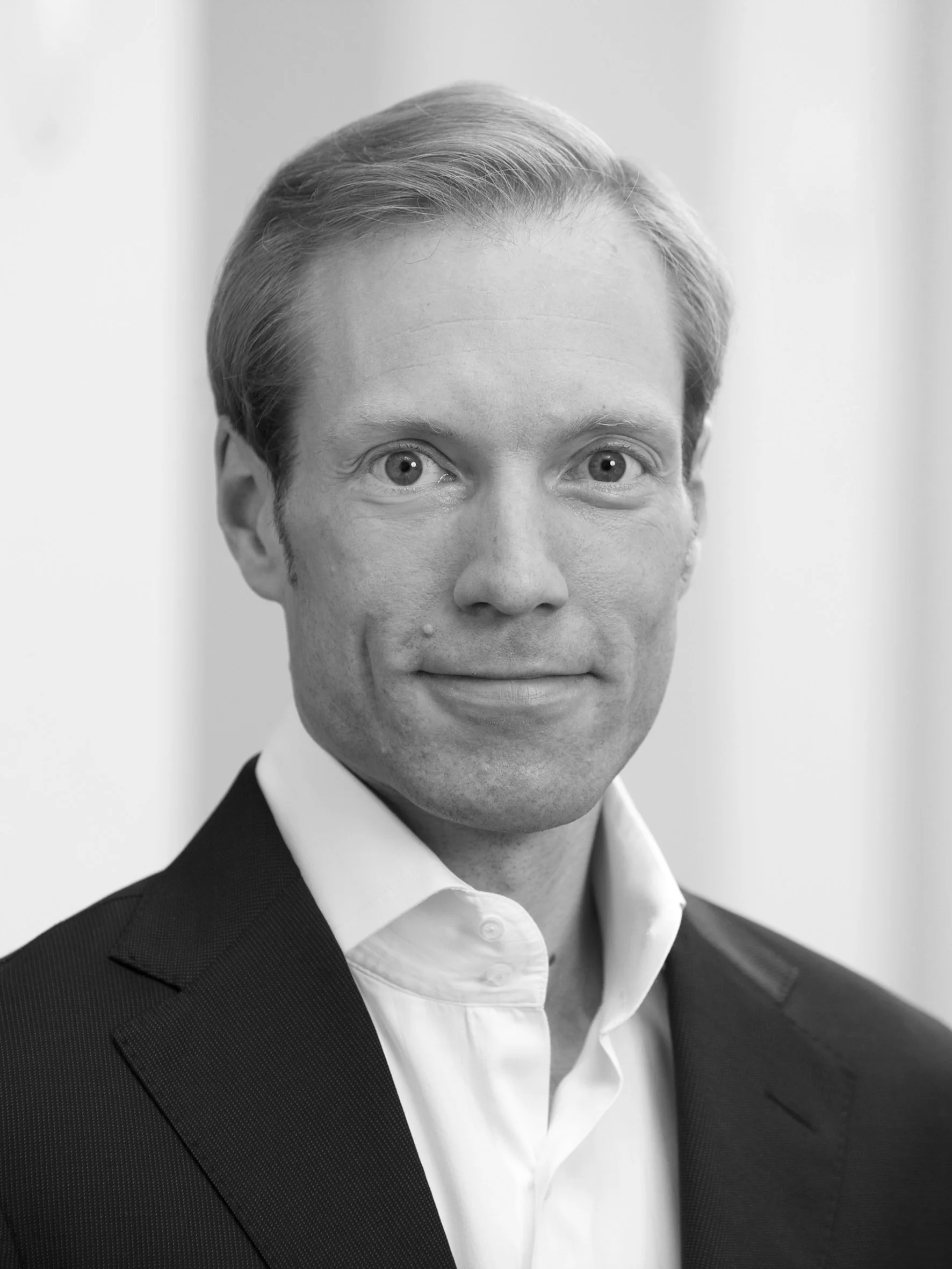
Dr. Daniele Marinazzo is a full professor in the Department of Data Analysis at Ghent University (Belgium), where he investigates the dynamics and structure of complex systems, from theoretical and computational physics to methodological and computational neuroscience and experimental neurophysiology. PhD in statistical physicist, he plays a leading role in advancing information-theoretic and connectivity-based approaches to brain function, and serves as Deputy Editor at PLOS Computational Biology, Co-Editor-in-Chief at Neurons, Behavior, Data Analysis, and Theory, and Academic Editor at Network Neuroscience and Imaging Neuroscience, as well as Ghent University’s representative in EBRAINS.
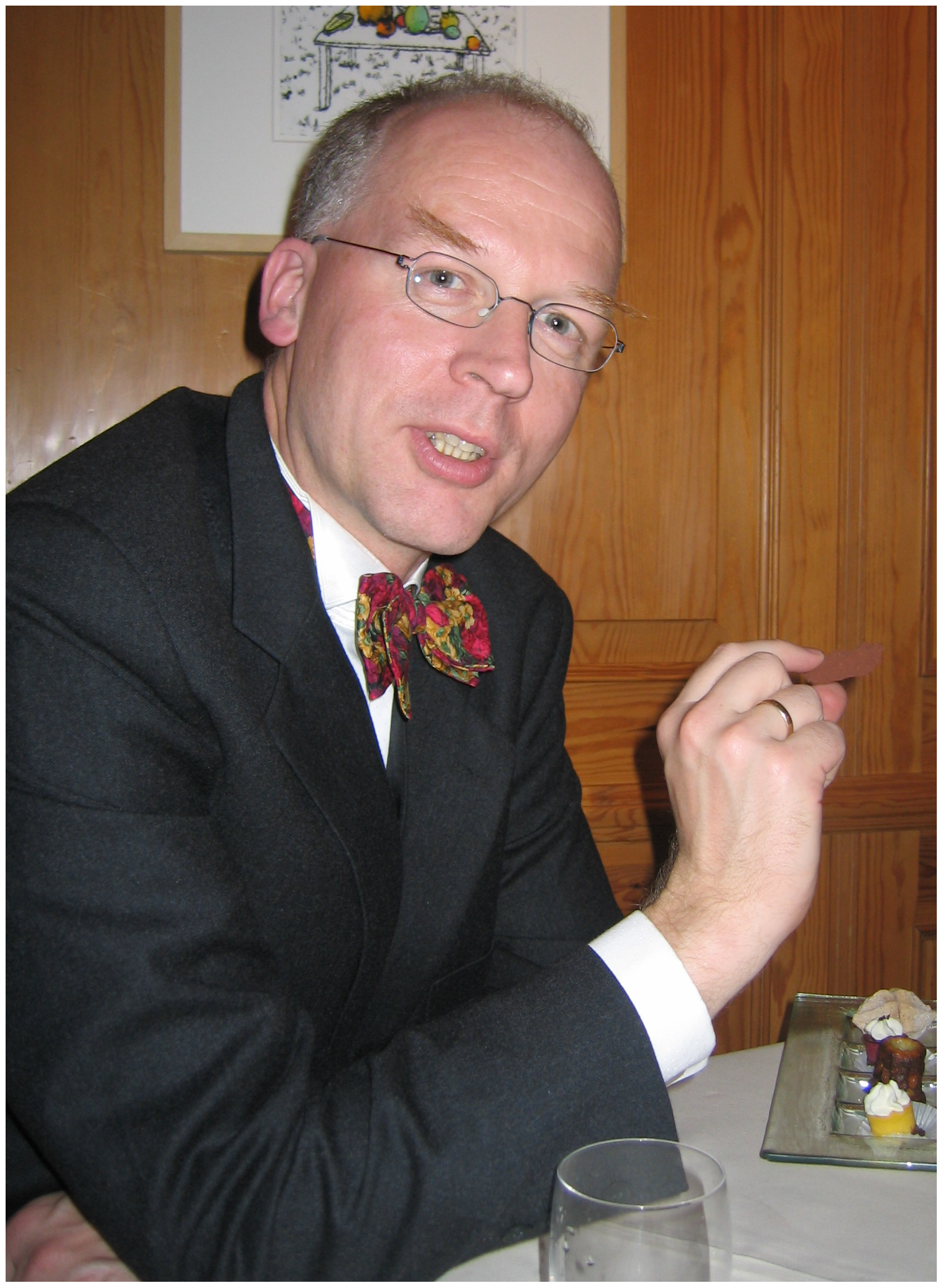
Photo: Stephan KE, McIntosh AR, Hilgetag CC (2010) In Memoriam: Rolf Kötter (1961–2010). PLoS Comput Biol 6(10): e1000965.
A prestigious keynote dedicated to honoring Professor Kötter's legacy and his remarkable contribution
Rolf Kötter Lecture: Speaker - Pr. Gustavo Deco (link)
Coffee break: Take a moment to relax and recharge during our coffee break, while enjoying a privileged view of a stunning 2,000-year-old architectural masterpiece: the Pont du Gard
Lecture 1.2: The unavoidable consequences of excitability
Speaker - Dra. Maria Luisa Saggio - Marisa (link)
Dra. Marisa Saggio is a theoretical neuroscientist at the Institut de Neurosciences des Systèmes (INS, Aix-Marseille University), where she works on mathematical and computational modelling of epilepsy and brain dynamics. PhD in physics and cognitive neuroscience, her research focuses on dynamical systems approaches to mesoscopic and single neuron dynamics, including the development and analysis of phenomenological models and taxonomies based on key bifurcation structure.
A dedicated session leveraging invasive and non-invasive recordings to capture fast neural population dynamics, integrating advanced signal processing and network analysis to link microcircuit activity with large-scale brain function
Lecture 2.1: Cortical slow waves and neuromodulation: from macro to nano
Speaker - Pra. María Victoria Sánchez‑Vives - Mavi (link)
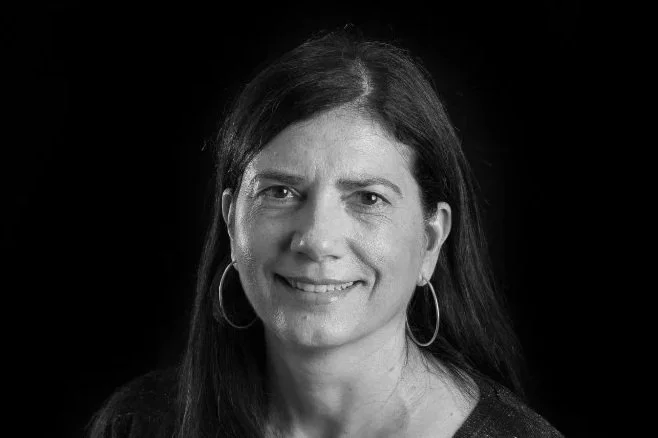
Dra. Maria Sánchez-Vives is a medical doctor with a PhD in Neurosciences and an ICREA Research Professor at the Institut d'Investigacions Biomèdiques August Pi i Sunyer, where she leads the Systems Neuroscience group and co-directs the Event Lab for Experimental Virtual Environments in Neuroscience and Technology. Her career spans previous positions as Associate Professor of Physiology and Group Leader at the Instituto de Neurociencias de Alicante (UMH-CSIC), a postdoctoral training at Rockefeller University and Yale University, reflecting her long-standing contributions to systems neuroscience, sensory processing, and immersive virtual reality approaches to brain function.
Electrophysiology
Lecture 2.2: Neural dynamics, cortical hierarchy and the special role of claustrum in hierarchical processing
Speaker - Dr. Julien Vezoli (link)
Dr. Julien Vezoli is a research scientist (CRCN Inserm) at the Stem Cell and Brain Research Institute (SBRI, INSERM U1208, Bron, France), working on the structure–function relationships of cortical networks in non-human primates. His research combines anatomical connectomics with chronic ECoG and laminar recordings to reveal how hierarchical cortical circuits and frequency-specific rhythms shape large-scale interaction networks.
Coffee break: Take a moment to relax and recharge during our coffee break, while enjoying a privileged view of a stunning 2,000-year-old architectural masterpiece: the Pont du Gard
Session 3
16:30 - 17:30
17:30 - 18:30
Chairs
Dr. Gustavo Deco is Research Professor at the Institució Catalana de Recerca i Estudis Avançats (ICREA) and Professor (Catedrático) at the Pompeu Fabra University (UPF) where he leads the Computational Neuroscience group. He was also Director of the Center of Brain and Cognition from 2001 to 2021 (UPF). In 1987 he received his PhD in Physics for his thesis on Relativistic Atomic Collisions. In 1987, he was a postdoc at the University of Bordeaux in France. From 1988 to 1990, he obtained a postdoc of the Alexander von Humboldt Foundation at the University of Giessen in Germany. From 1990 to 2003, he leads the Computational Neuroscience Group at Siemens Corporate Research Center in Munich, Germany. He obtained in 1997 his Habilitation (maximal academical degree in Germany) in Computer Science (Dr. rer. nat. habil.) at the Technical University of Munich for his thesis on Neural Learning. In 2001, he received his PhD in Psychology at the Ludwig-Maximilians-University of Munich. In 2012, he received an ERC Advanced Grant and recently in 2022 he received an ERC Synergy Grant.
A dedicated session highlighting the conceptual foundations and unifying principles, bringing together mathematical formalisms and mechanistic models to bridge structure, dynamics, and cognition across scales.
Theory
Lecture 1.1: The importance of hemodynamics and blood arrival time in modelling fMRI data
Speaker - Pr. Daniele Marinazzo (link)
Lunch Time: Take this opportunity to indulge in exquisite flavors, connect with fellow participants, and let the timeless beauty of history combined with the rich gastronomy of Southern France elevate your experience.
Lecture 3.1: Rhythms, States, and Networks: Probing Brain Dynamics with Non-Invasive Neuromodulation
Speaker - Pra. Ines Violante (link)
Dr Inês Violante is a Senior Lecturer in Healthcare Engineering at King’s College London and visiting Senior Lecturer in Psychological Neuroscience at the University of Surrey, where she leads the Neural Systems and Neuromodulation Lab. Trained in biochemistry and biomedical sciences at the University of Coimbra, her research combines neuroimaging, electrophysiology, and non-invasive brain stimulation to understand how brain networks support cognition and to develop neuromodulation approaches for neurological and psychiatric conditions.
Lecture 3.2: TBA
Speaker - Pr. Klaas Stephan (link)
Dr. Klaas Enno Stephan is a computational neuroscientist and medical doctor. He is Full Professor for Translational Neuromodeling & Computational Psychiatry at the University of Zurich and ETH Zurich.
His scientific work covers the entire translational pipeline, from the development of disease theories via the creation of computational methods to their application in clinical studies. A central goal is the development of clinically useful “computational assays” for psychiatry and psychosomatics. Based on generative models of brain activity and behaviour, the hope is that such assays will support more precise diagnostics and individualized treatment recommendations, leading to a transformation of clinical practice and redefinition of mental diseases. Current research foci include psychosis and brain-body interactions in fatigue and depression.
In order to enable the clinical validation of his work, Klaas founded the Translational Neuromodeling Unit (TNU) at Zurich, an interdisciplinary institution with the mission to translate advances in computational neuroscience into tools for clinical practice. The TNU assembles computational scientists and clinicians under one roof and operates a dedicated research clinic for evaluating the diagnostic and prognostic utility of computational assays in prospective patient studies.
His track record includes pathophysiological theories of schizophrenia, fatigue and depression, the development of open source and widely used computational tools (e.g. for investigating brain connectivity, Bayesian model selection) as well as numerous studies on psychiatric and psychosomatic disease mechanisms. His work has been recognized by various awards and honours, including the Wiley Young Investigator Award for Human Brain Mapping and election to the Max Planck Society.
A dedicated session advancing non-invasive and invasive brain stimulation, combining multimodal imaging, electrophysiology, and computational modeling to optimize how targeted neuromodulation shapes network dynamics and improves clinical outcomes
Neurostimulation
12:00 - 12:30
My Research in 180 Seconds
MR180s offers PhD students and early-career researchers a unique opportunity to present their work to an international audience of leading scientists. Five participants will be selected to deliver three-minute presentations in the form of an e‑poster, distilling the essence of their research and fostering visibility, confidence, and scientific exchange at the highest level. Following the presentations, a 15‑minute open discussion will provide further opportunity for interaction and dialogue.
Day 3: Closing day
The final day brings together key insights from the congress, with a closing keynote and discussions that synthesize advances and outline future directions. This concluding program emphasizes collaboration and sets the stage for continued innovation in brain network science.
Opening
8:30 - 8:40
We’re thrilled to have you join us for the quarter-century anniversary of the BCW. Get ready for inspiring sessions, engaging discussions, and valuable networking opportunities.
Welcome
Dr. Viktor Jirsa INS and CNRS
Dr. Pedro Valdés-Sosa CNEURO and UESTC
Dr. Randy McIntosh Simon Fraser University
Chairs
Session 7
16:30 - 18:00
Roundtable: Controversies in Brain Connectivity
Dr. Pedro Valdés-Sosa, CNEURO and UESTC
Dr. Karl Friston, UCL and FIL
bridging scale in a principled manner
This roundtable will bring together experts from complementary areas of brain connectivity research to openly debate key controversies, including network definitions and nomenclature, multimodal integration, methodological standardization, and reproducibility. The discussion will highlight constructive disagreements, identify emerging points of consensus, and outline priorities for future best-practice guidelines and collaborative efforts in the connectivity community
10:40 - 11:00
Coffee break: Take a moment to relax and recharge during our coffee break, while enjoying a privileged view of a stunning 2,000-year-old architectural masterpiece: the Pont du Gard
Session 6
15:00 - 16:00
A dedicated session showcasing cutting-edge tools and computational pipelines, integrating multimodal data, advanced analytics, and scalable infrastructures to translate brain network models into robust, reproducible applications.
Lecture 6.1: Do we have a good theory of fMRI brain connectivity?
Speaker - Pr. John Griffiths (link)
John D. Griffiths is an Assistant Professor in the Departments of Psychiatry, Medical Sciences, and Biomedical Engineering at the University of Toronto, and leads the Whole-Brain Modelling group at the Krembil Centre for Neuroinformatics (KCNI), CAMH. His research focuses on computational modelling of large-scale brain network dynamics, noninvasive neurostimulation, and multimodal neuroimaging. He completed his PhD at the University of Cambridge and held postdoctoral positions at the University of Sydney, the Rotman Research Institute, and Toronto Western Hospital. He was also an early contributor to The Virtual Brain (TVB) consortium. His group combines theory-driven modelling with EEG, fNIRS, TMS, and MRI experiments in both healthy and clinical populations.
Technology
Session 4
A dedicated session probing how disruptions of large-scale brain networks give rise to neurological and psychiatric disorders, integrating multimodal imaging, computational models, and clinical cohorts to bridge mechanisms, symptoms, and treatment targets.
Brain dysfunction in neurology and psychiatry
8:40 - 9:40
Lecture 4.1: TBA
Speaker - Pr. Nikolaos Koutsouleris - Nikos (link)
Dr. Koutsouleris studied medicine at LMU between 1996 and 2003 as scholar of the German National Academic Foundation. He took his first medical and academic appointment in 2004 at the Department of Psychiatry and Psychotherapy, where he finished his doctorate thesis in 2005. Since 2008, Dr. Koutsouleris has advanced the use of multivariate pattern recognition methods for the identification and validation of diagnostic and prognostic prediction models in at-risk and early stages of affective and non-affective psychoses. In addition, he strived to make robust machine-learning methods available to researchers in the clinical neurosciences in order to improve the methodological rigour of this new research direction based on the proper use of validation and model sharing approaches. These efforts have the lead to the publication of the open-source NeuroMiner machine learning platform. Actually, Dr. Koutsouleris is the Coordinator of the EU-FP7 funded project PRONIA (Personalised Prognostic Tools for Early Psychosis Management). He serves as consultant and Head of the Centre for Adolescence Psychiatry and the Section for Precision Psychiatry at the Department of Psychiatry, Ludwig-Maximilian-University, Munich (LMU). He is Co-Deputy Lead of the Psychosis and Mood Disorders theme at the NIHR Maudsley BRC.
9:40 - 10:40
Lecture 4.2: The Hippocampal Latent Diffusion Engine: A Computational Framework for Memory, Perception, and Cognitive Dysfunction
Speaker - Pr. Michael Breakspear - Breaky (link)
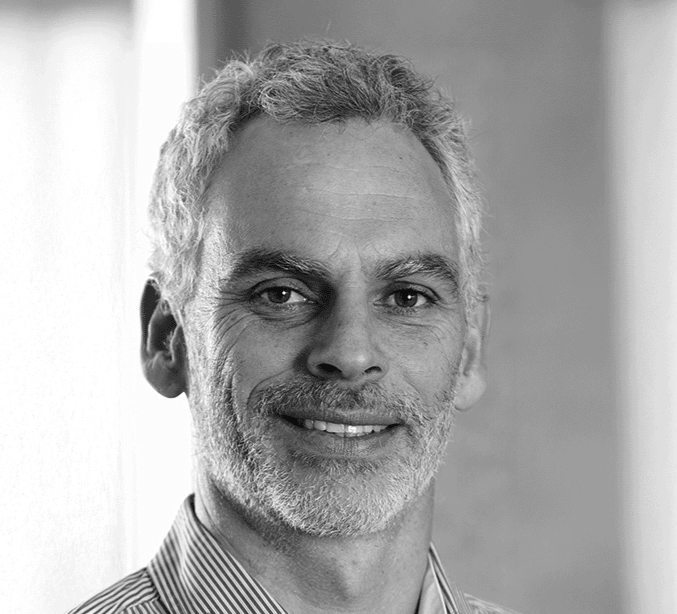
Dr. Michael Breakspear is Professor of Neuroscience and Psychiatry at the University of Newcastle and leads the Systems Neuroscience Group at the Hunter Medical Research Institute. Trained in medicine, mathematics, and physics, he develops dynamic models and multimodal imaging approaches to understand how large-scale brain networks generate cognition and how their disruption underpins major neurological and psychiatric disorders, including schizophrenia, bipolar disorder, dementia, epilepsy, and mood disorders
11:00 - 12:00
Lecture 4.3: Brain Modelling in the Clinic: Between Mechanistic Insight and the Replication Crisis
Speaker - Dr. Pierpaolo Sorrentino (link)
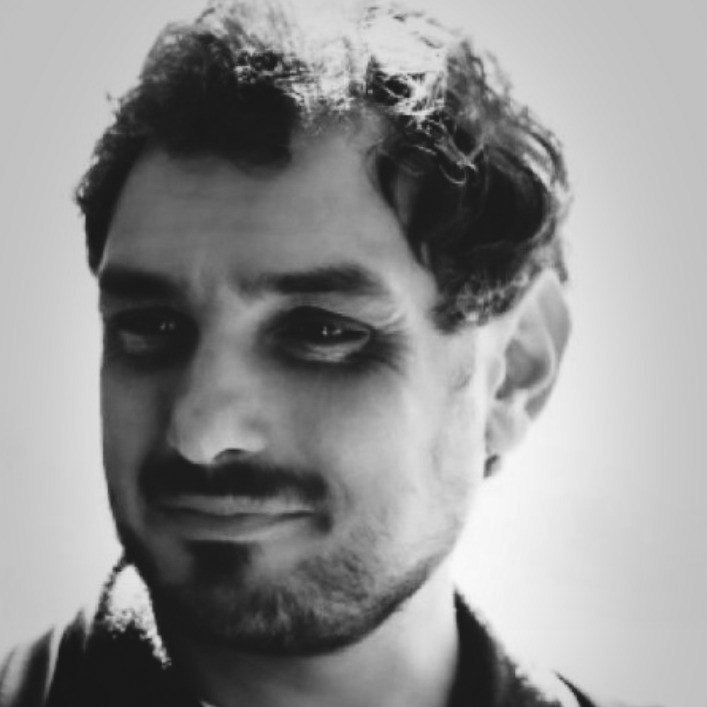
Dr. Pierpaolo Sorrentino is a neurologist and researcher at INSERM and Aix-Marseille University, where he combines clinical neurology with theoretical and computational neuroscience to study large-scale brain dynamics. Trained as an MD with a neurology specialization from the University of Naples Federico II and a PhD in telecommunications engineering, he uses MEG, EEG, and network theory to investigate how the structural connectome constrains fast brain activity in health and neurological disorders.
12:00 - 12:30
My Research in 180 Seconds
MR180s offers PhD students and early-career researchers a unique opportunity to present their work to an international audience of leading scientists. Five participants will be selected to deliver three-minute presentations in the form of an e‑poster, distilling the essence of their research and fostering visibility, confidence, and scientific exchange at the highest level. Following the presentations, a 15‑minute open discussion will provide further opportunity for interaction and dialogue.
12:30 - 14:00
Lunch Time: Take this opportunity to indulge in exquisite flavors, connect with fellow participants, and let the timeless beauty of history combined with the rich gastronomy of Southern France elevate your experience.
A dedicated session examining how large-scale brain networks support cognition across the lifespan, combining multimodal imaging, longitudinal cohorts, and computational models to uncover principles of resilience and adaptation in healthy aging
Lecture 5.1: On Being Multiscale
Speaker - Pr. Anthony Randal McIntosh - Randy (link)
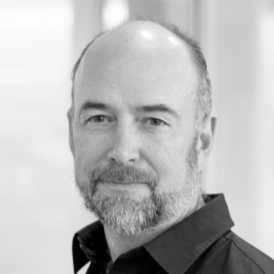
Dr. Randy McIntosh is a Professor at Simon Fraser University and BC Leadership Chair in Neuroscience and Technology Transfer Across the Lifespan, where he directs the Institute for Neuroscience and Neurotechnology. His research combines computational modeling and brain imaging to develop a unified theory of brain operation and to understand how large-scale network dynamics support cognition across the lifespan and in the context of brain damage and disease, including through the development of The Virtual Brain platform.
Session 5
14:00 - 15:00
Brain function in healthy aging
16:00 - 16:30
Coffee break: Take a moment to relax and recharge during our coffee break, while enjoying a privileged view of a stunning 2,000-year-old architectural masterpiece: the Pont du Gard
Dr. Viktor Jirsa, INS and CNRS